Key Takeaways: Why Goma Still Matters
Summary: Mortality risk came from the interaction of crowding, unsafe water, poor sanitation, epidemic disease, and overwhelmed logistics—not from displacement alone. Goma in July 1994 stands as an acute displacement emergency after the Rwandan genocide, with refugees crossing into what was then Zaire.
Monitoring reports show how epidemiologists separated the biological hazard of cholera from water trucking constraints. That separation let teams isolate what could actually be changed on the ground.
Case Setting: From Rwanda to the Goma Camps
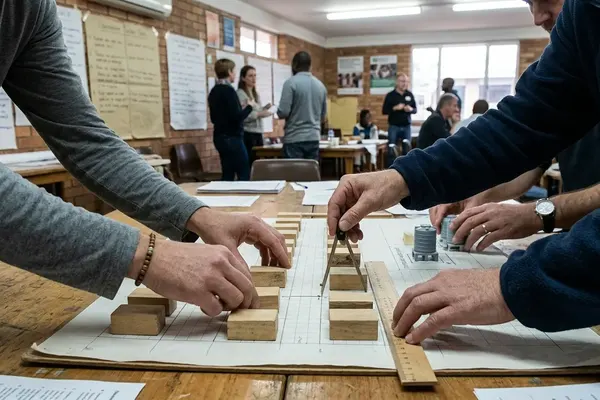
Goma sits near the Rwandan border and Lake Kivu. Volcanic basalt rock terrain prevented manual digging beyond roughly 0.3 to 0.5 meters. Camp planners therefore mapped settlements by proximity to the lake and the few passable roads instead of standard grid layouts.
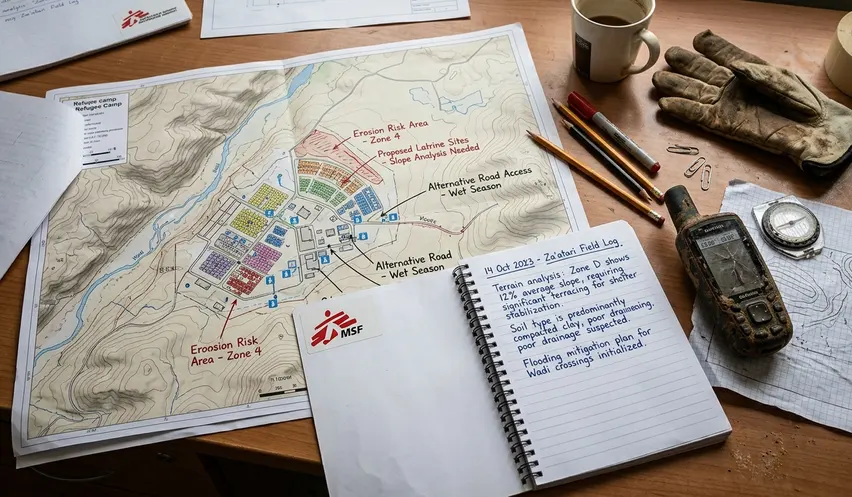
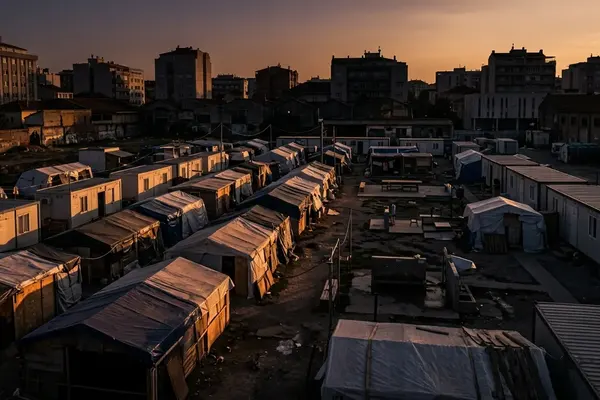
Over 800,000 refugees crossed the border in a span of five days. Camps like Kibumba, Katale, and Mugunga formed rapidly along a 100-kilometer stretch. The crisis is often linked to Rwanda because of the origin of displacement, yet the major sites lay around Goma in then-Zaire, now the Democratic Republic of the Congo.
The Challenge: Epidemic Risk in a Collapsed Service Environment
Logisticians traced daily refugee movement from contaminated water sources at Lake Kivu back to densely packed sectors with almost no sanitation. Water requirements of 15 liters per person per day were impossible to meet initially, with early access dropping below 1 liter per person.
Co-circulation of Vibrio cholerae O1 and Shigella dysenteriae type 1 made both diseases especially dangerous. Fecal contamination, shared water points, and inadequate handwashing converged in the same places.
The Response Logic: Why Water, Rehydration, and Surveillance Came First
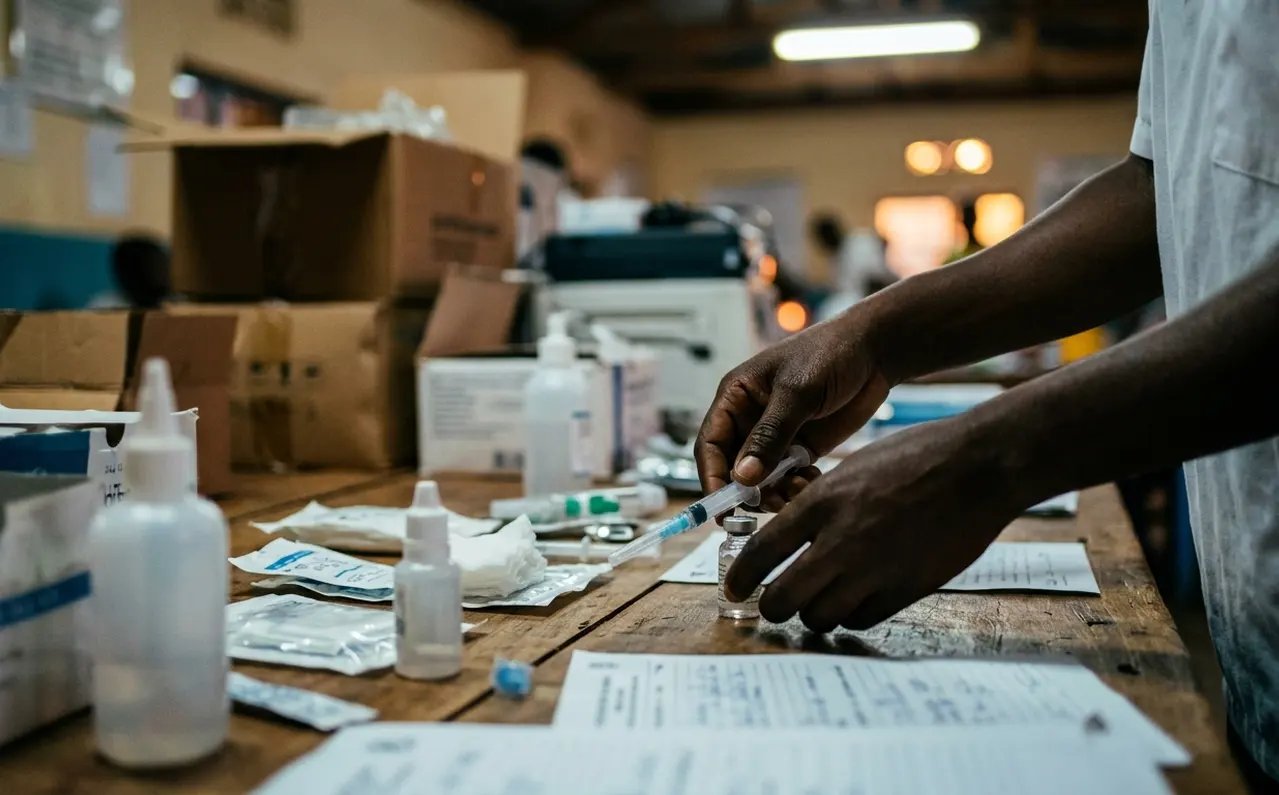
Responders had to reduce deaths quickly before ideal camp infrastructure could be built. They therefore prioritized emergency water supply and chlorination, oral rehydration salts, intravenous fluids for severe dehydration, cholera treatment areas, sanitation zones, and basic disease surveillance.
Medical relief agencies chose centralized water chlorination and mass oral rehydration points over the initial plan to construct standard individual family latrines. Deployment of 15,000-liter and 30,000-liter flexible water storage bladders followed, along with decentralized oral rehydration corners operating 24 hours a day.
Results: Mortality, Disease Control, and the Cost of Delay
Surveillance teams shifted from individual clinical diagnosis to syndromic reporting, counting cases of acute watery diarrhea. This change accelerated daily mortality and morbidity tracking.
The Goma Epidemiology Group’s Lancet investigation recorded almost 50,000 deaths between mid-July and mid-August 1994. Crude mortality rates peaked between about 34 and 55 deaths per 10,000 persons per day in specific camps. Up to 85 percent of early mortality was attributed to diarrheal diseases.
Operational Tradeoffs: Standards Versus Survival Triage
Field coordinators implemented survival triage. They deliberately bypassed thorough patient registration and detailed clinical histories to maximize the volume of intravenous fluid administration. Triage protocols required administering up to 8 liters of intravenous Ringer's lactate per severe cholera patient within the first 24 hours.
Textbook camp planning calls for spacing, drainage, latrine ratios, and orderly registration. Those steps may be impossible in the first days of a sudden mass arrival.
Scope and Limitations of the Goma Evidence
Researchers bounded the 1995 Lancet study to the acute phase of the emergency. They deliberately excluded long-term political and security dynamics to keep the focus on public health outcomes.
One catch: retrospective mortality surveys in acute emergencies often undercount deaths because entire families may perish without leaving survivors to report the loss. Mortality estimates depend on surveillance completeness, burial reporting, population denominators, and retrospective reconstruction. Goma should not be generalized to every refugee camp.
Lessons for Today’s Humanitarian Health Response
Water, sanitation, and disease surveillance must be planned as a single operational system, not separate sectors. Early mortality is highly sensitive to response speed, especially when diarrheal disease and dehydration are present.
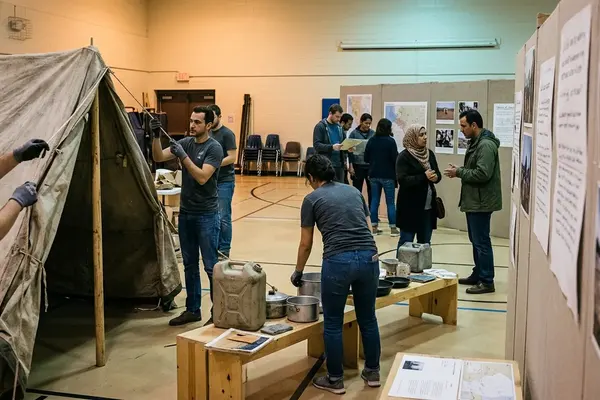
Modern humanitarian training programs now integrate the Goma data to teach logisticians and clinicians this interdependence. Current emergency standards mandate a maximum distance of 500 meters from any shelter to the nearest safe water point.