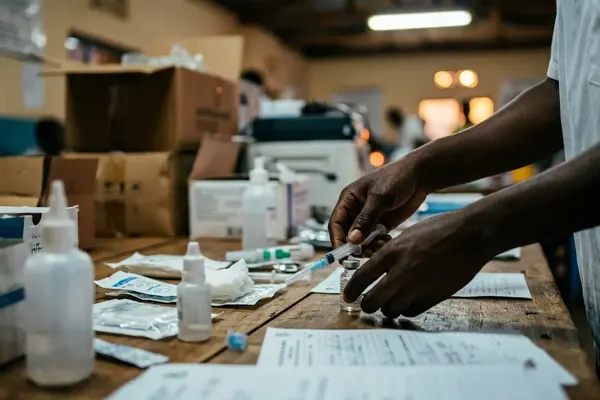
Key Takeaways: What These Two Cases Reveal
Liberia and Somalia show different long-term displacement patterns rather than a single refugee-camp model. Liberia represents a post-conflict displacement and return case. Somalia illustrates protracted and recurring displacement shaped by insecurity, drought, mobility, and fragile service systems.
The report focuses on logistics, public health, protection, and governance. Students, educators, journalists, and responders can use these details to interpret camp realities beyond crisis imagery.
Why Liberia and Somalia Belong in the Same Analysis
Both countries expose how displacement continues after the initial emergency phase. Their timelines, security environments, and return conditions differ sharply.
Liberia’s civil-war displacement led to camp consolidation, repatriation, and reintegration pressures. Rebuilding trust in institutions and local services proved difficult. Somalia’s repeated displacement cycles stem from conflict, drought, food insecurity, clan dynamics, urban migration, and cross-border movement. Editors paired these cases to map the extremes of the displacement continuum.
Field Logistics: From Emergency Setup to Long-Term Strain
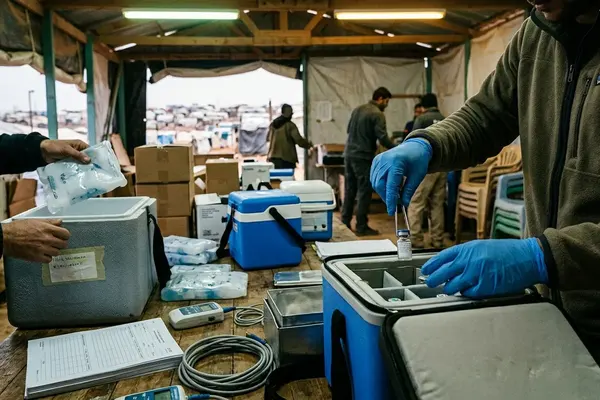
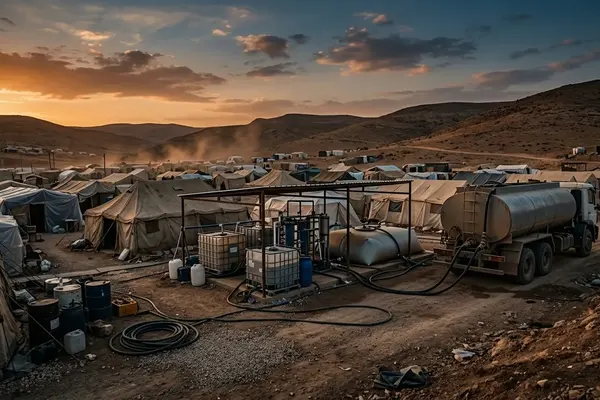
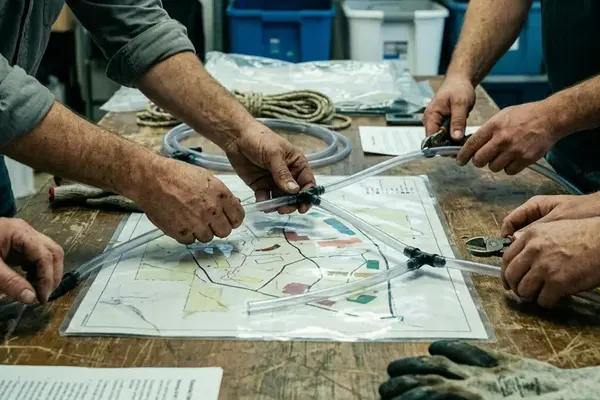
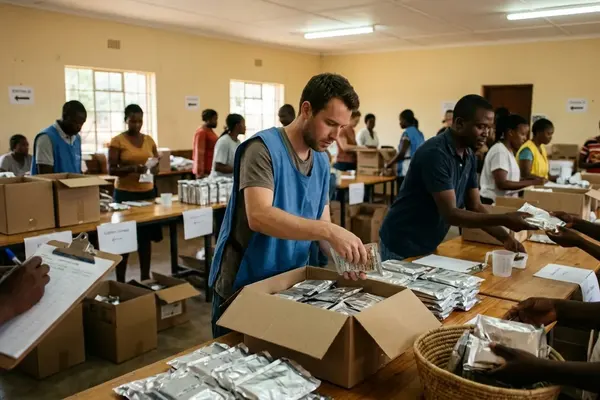
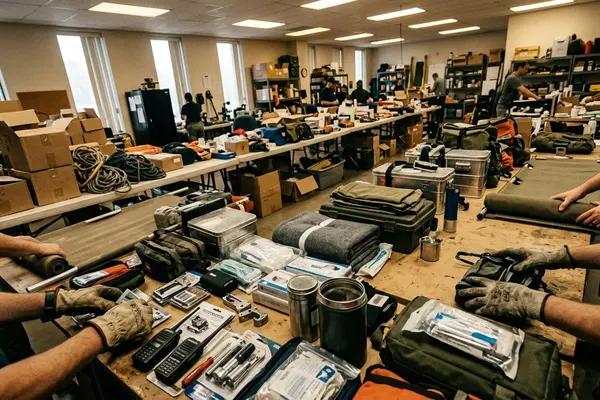
MSF-style field logistics clarify camp realities through water trucking, latrine placement, cholera-prevention measures, cold-chain protection, transport routes, warehouse controls, and referral capacity.
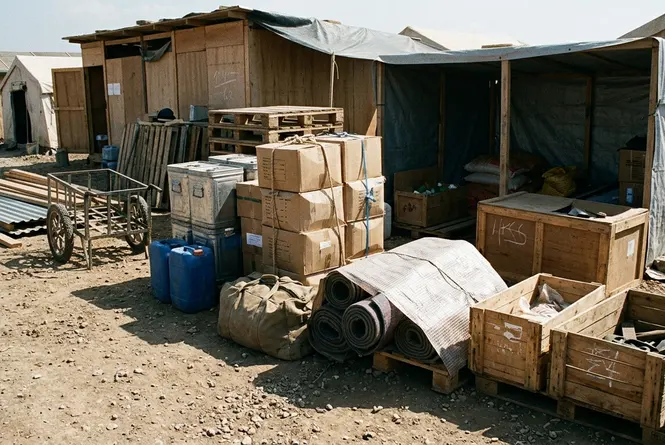
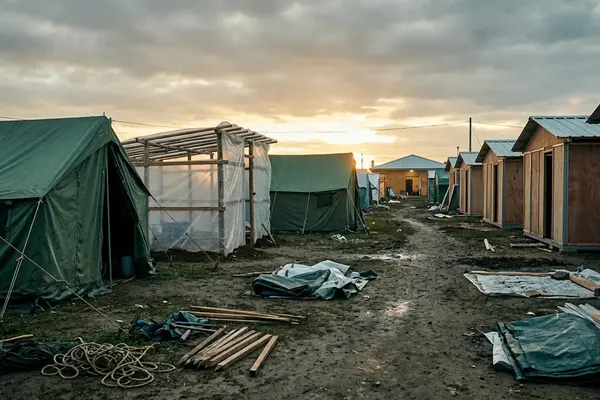
Rapid emergency logistics contrast with long-duration maintenance. Temporary water points become permanent pressure points. Clinics designed for acute response must manage chronic illness, maternal health, nutrition, vaccination, and mental-health needs.
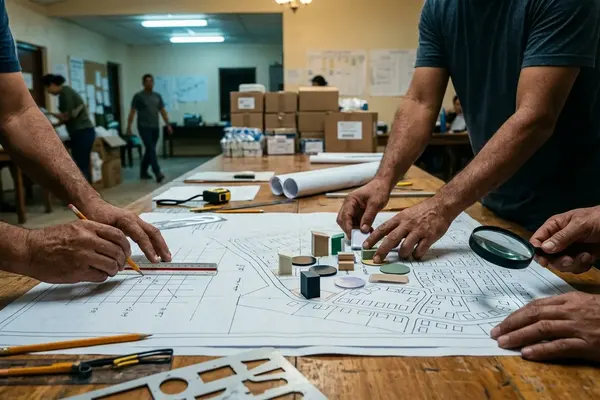
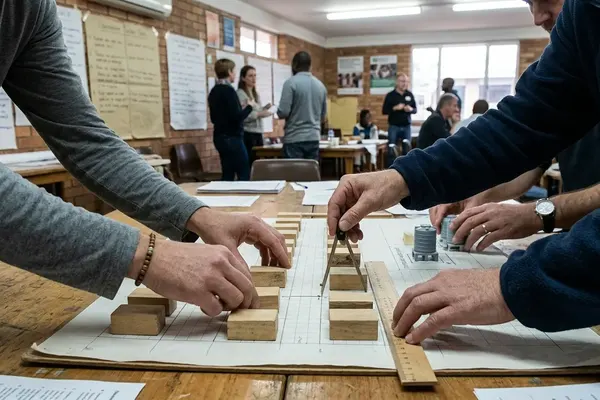
Liberia highlights the logistics of return and reintegration, including transport, reception points, documentation, and fragile local infrastructure. Curriculum designers mapped the operational shift from rapid-response setups to chronic maintenance.
Humanitarian Standards and Human Outcomes
Humanitarian standards aim to reduce preventable harm, preserve dignity, and support informed decision-making. Public-health outcomes include safer water access, disease surveillance, vaccination continuity, maternal care, nutrition screening, and referral pathways.
Protection outcomes cover family tracing, safe access to services, gender-sensitive facilities, child protection, documentation, and reduced exposure to exploitation. Physical camp layout directly influences human dignity and vulnerability.
Resource Allocation: What This Educational Archive Prioritizes
Editorial resources target source review, case-study development, field-logistics explanation, public-health interpretation, image selection, and accessibility for educators and practitioners. The page does not claim to fund clinics, water systems, or camp operations. Its contribution remains interpretive and educational.
Scope, Limitations, and Ethical Use of These Cases
Liberia and Somalia are not interchangeable examples. They should not generalize all refugee or internally displaced-person camps. The report is an educational synthesis, not a real-time security assessment, needs assessment, epidemiological bulletin, or operational plan.
Logistical baselines assume dry-season accessibility. Seasonal flooding can sever supply routes and render those baselines obsolete.
How Readers Can Use and Support This Work
Educators can assign the case comparison. Journalists can use it to avoid oversimplified camp narratives. Responders can treat it as a briefing primer. Students can trace how logistics and standards connect to lived outcomes. Share the archive with students or colleagues to support continued educational documentation.