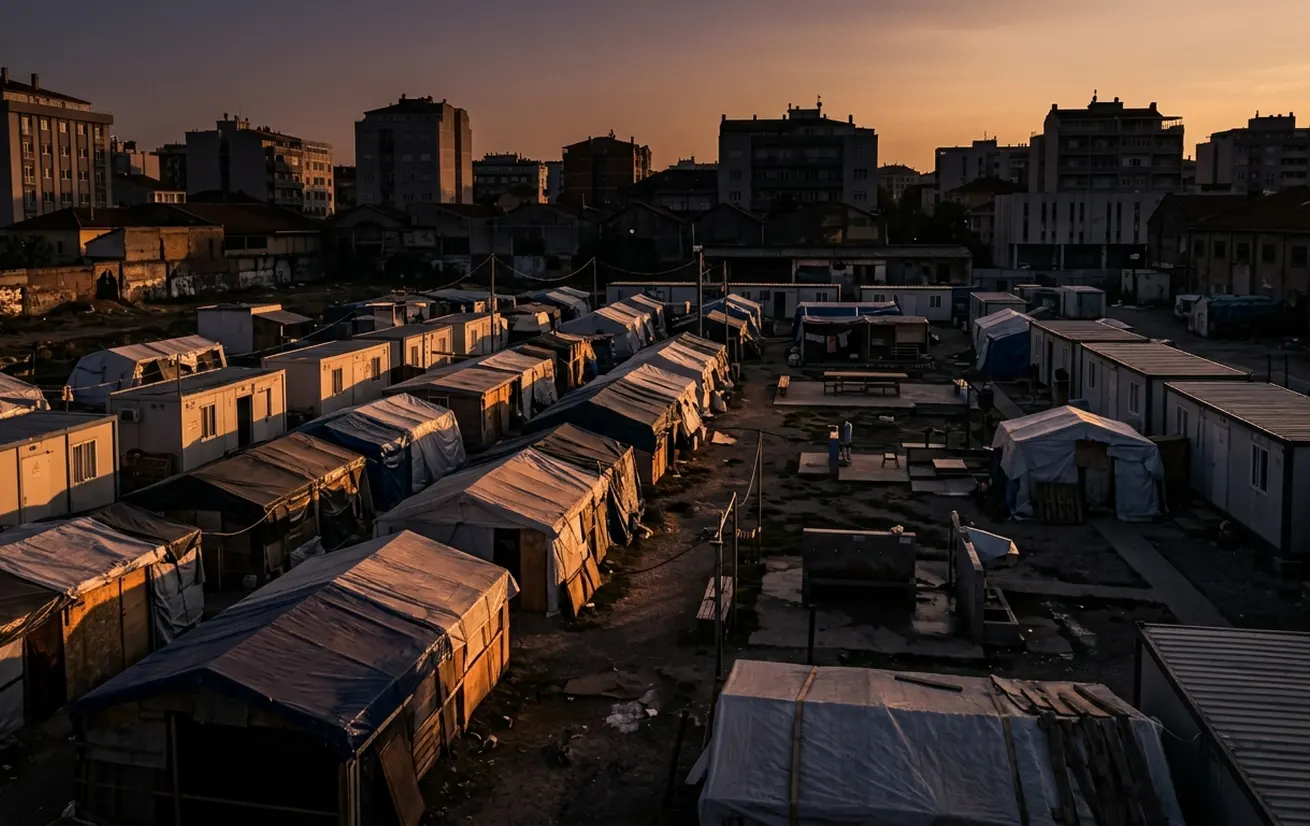
Key Takeaways: What the Timeline Shows
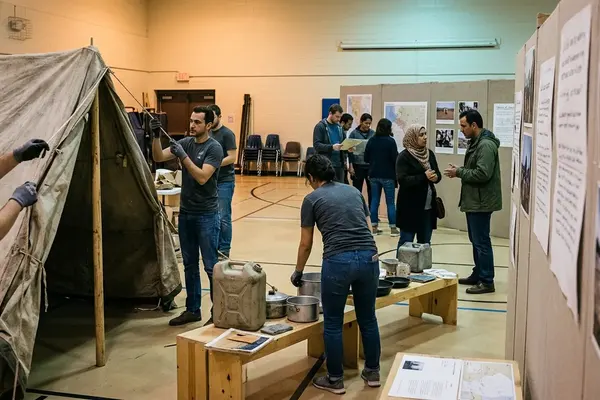
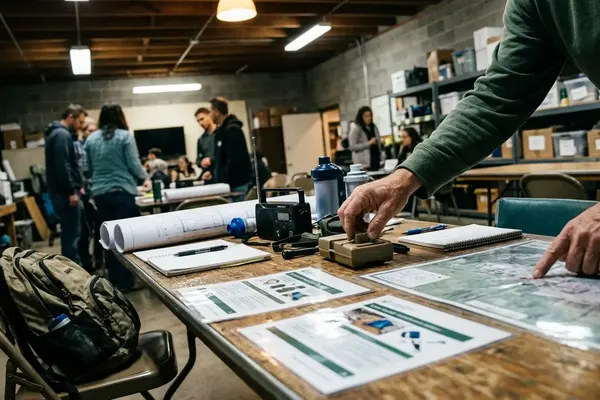
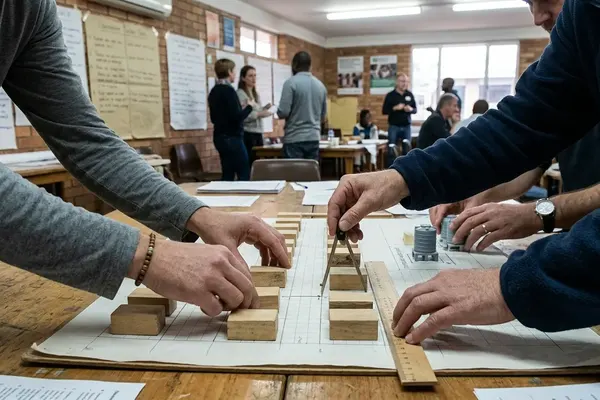
The exhibit brought refugee camp realities into a city-center setting to support public learning. I saw visitors pause at the shelter layouts and trace supply pathways with their fingers, moving from abstract headlines to concrete questions about how aid actually moves.
Our primary outcome was translating technical humanitarian concepts into an accessible, ethically framed educational archive. Shelter, water, sanitation, medical triage, supply movement, camp coordination, and standards-based response formed the main learning areas.
Why a Refugee Camp Exhibit in the City Center Mattered
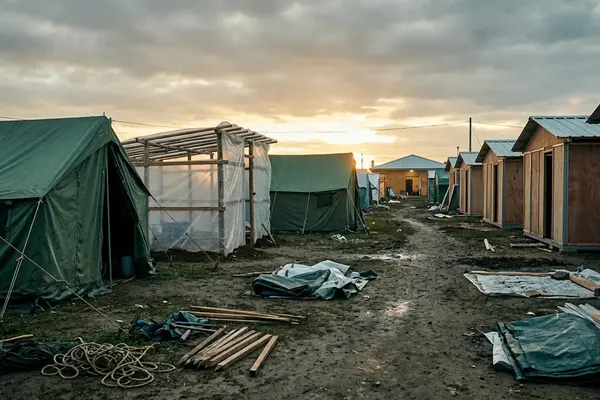
Placing a refugee camp timeline in an urban public context rather than a distant or abstract humanitarian frame was the core interpretive choice. Organizers debated a municipal park versus a paved civic plaza and settled on the plaza to emphasize harsh, unyielding physical realities.
Proximity changes learning. Readers and visitors confront the operational realities of displacement within a familiar civic environment. The roughly 400-square-meter installation footprint sat right in daily foot traffic, so the timeline felt immediate rather than remote.
We framed the exhibit as educational, not immersive spectacle. Context, empathy, technical literacy, and responsible public understanding guided every decision.
Timeline: From Field Narrative to Public Archive
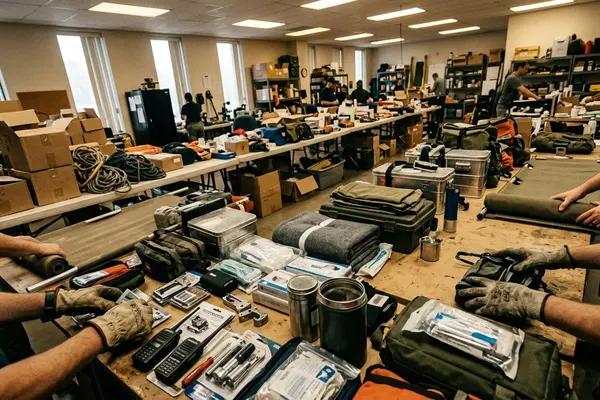
The timeline followed logistical phases—procurement, site preparation, and deployment, rather than calendar dates. This mirrored the actual workflow of an emergency response team.
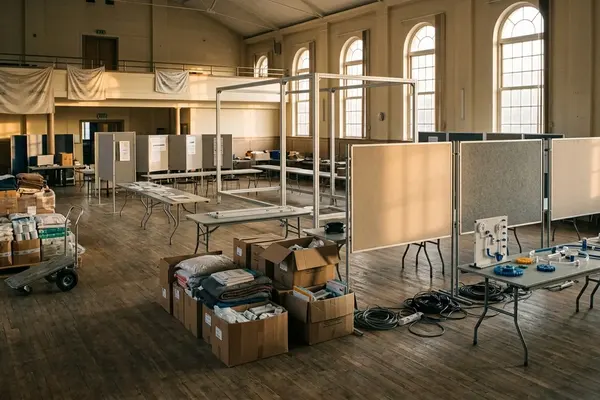
Concept framing came first. We selected camp realities that could be responsibly shown in a city setting: shelter layouts, supply pathways, clinical access points, and daily constraints. Research and interpretation followed, translating technical material from humanitarian practice into language usable by students, educators, journalists, and public-health readers. The concept-to-build phase took six to eight weeks, with a roughly 72-hour rapid assembly window to mirror emergency deployment constraints.
Exhibit build, public engagement, documentation, and archival preservation completed the sequence.
What the Exhibit Explained About Camp Life and Aid Logistics
The exhibit covered refugee camp realities, MSF-style field logistics, and humanitarian response standards in one public-facing timeline.
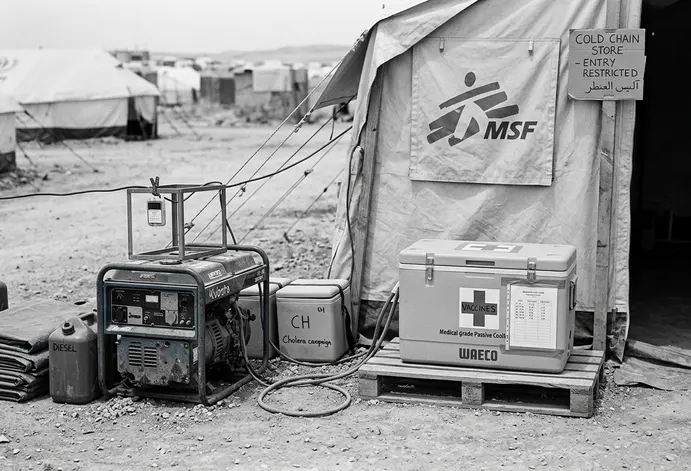
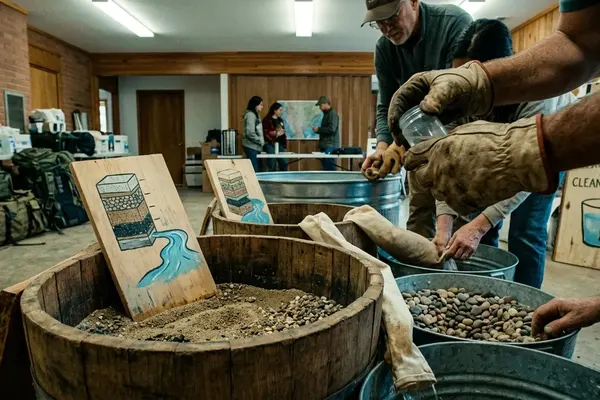
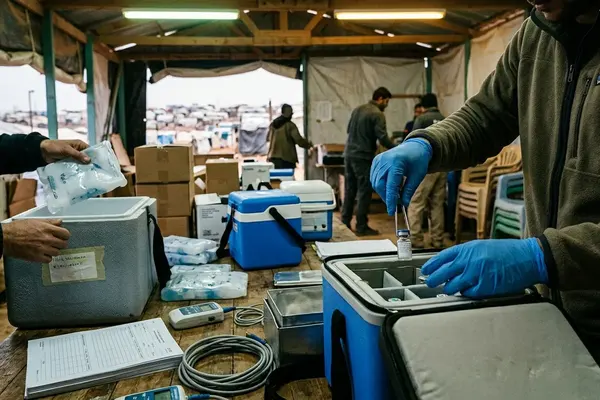
Shelter functions as a planning problem involving density, privacy, weather exposure, family structure, fire risk, drainage, and protection concerns. Water, sanitation, and hygiene operate as a life-preserving logistics system rather than a background service. Curators featured a cold-chain logistics mock-up instead of generic medical tents to highlight the invisible, highly sensitive supply chain constraints of vaccine distribution. The units held the required two-to-eight-degrees-Celsius range, and 15-liter standard humanitarian jerrycan displays sat beside them.
Resource Allocation: What the Impact Report Should Make Visible
Resource allocation matters for nonprofit transparency. It shows how educational value was produced, not simply that an exhibit occurred. Budget allocation prioritized physical, tactile materials like standard-issue tarpaulins and water bladders over digital screens because physical weight and texture conveyed the logistics more directly.
Categories included research and interpretation, physical exhibit materials, public education, documentation, accessibility, safeguarding, and archive maintenance.
Evidence of Impact: Learning Outcomes Without Overclaiming
Impact showed up in qualitative terms: clearer public understanding, stronger educational framing, and preservation of humanitarian context. The exhibit created a structured timeline, translated field logistics, and gave educators a concrete teaching resource. Guided technical walkthroughs of about forty-five minutes let visitors move from passive viewing to active technical inquiry.
Impact reporting should distinguish activities from outcomes. Constructing an exhibit is an activity; improving technical literacy is the intended outcome.
Scope, Limitations, and Ethical Safeguards
This article is an educational archive and impact report, not an operational audit, legal assessment, or field evaluation of a specific active camp. MSF appears as part of humanitarian field logistics context; the piece implies no endorsement, partnership, or direct authorship.
The team established strict safeguarding protocols for imagery and displayed only objects, infrastructure, and spatial layouts rather than portraits of displaced individuals. The logistical frameworks presented reflect standardized emergency response models and do not account for the informal, ad-hoc survival economies that often dominate protracted displacement settings.
What Comes Next: Learn, Teach, and Support the Archive
The call to action invites readers to use the timeline as a teaching aid, discussion prompt, or background resource for humanitarian response topics. Practitioners and educators can contribute corrections, contextual notes, or field-informed perspectives to keep the archive living and peer-reviewed.